

 Facebook
 X
X
 Pinterest
 Copy Link
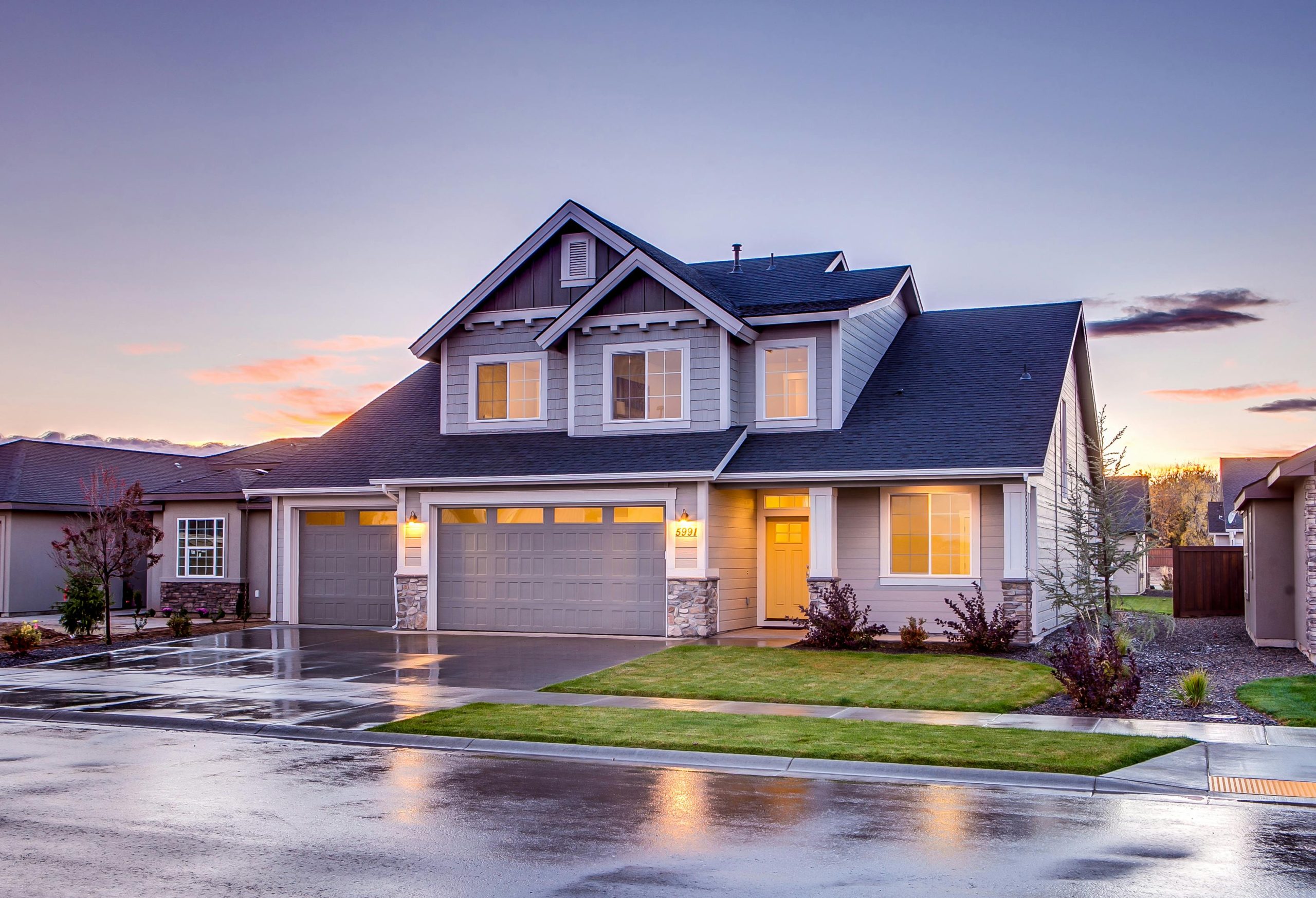
For many families in San Antonio, the idea of an “eco-friendly home” can feel overwhelming.
Solar panels. Major renovations. Expensive upgrades.
But the truth is simpler than most people realize. An eco-friendly home begins with small, thoughtful choices. Over time, those choices reduce waste, lower utility bills, and create a healthier place to live.
When you are helping aging parents stay in their home longer, or preparing a home for future resale, sustainability is not about trends. It is about stewardship, comfort, and long-term planning.
Let’s break it down in practical terms.
Start with Simple Changes at Home
You do not need a full remodel to make meaningful progress. In fact, the most effective steps are often the easiest ones.
Switch to LED Lightbulbs
When a bulb burns out, replace it with an LED version. LED bulbs use less energy and can last for years. While the upfront cost is slightly higher, the savings show up quickly in lower electric bills and fewer replacements.
In a Texas climate where lights and cooling systems work hard year-round, this small change adds up.
Replace Paper Towels with Washable Cloths
Disposable paper products create ongoing waste and expense. Reusable rags or washable cloths can handle most cleaning tasks just as well.
Old t-shirts and towels can be cut into squares and repurposed. It is simple, practical, and surprisingly effective.
Collect Rainwater for Plants
A rain barrel placed in the garden can collect water for landscaping and flower beds. This reduces outdoor water use and can lower your monthly bill.
It is a modest upgrade that supports water conservation, especially during dry seasons in South Texas.
Compost Kitchen Scraps
Fruit peels, vegetable scraps, and coffee grounds can be composted instead of sent to a landfill. Composting reduces waste and creates nutrient-rich soil for gardens.
For families who enjoy gardening, this can be both economical and satisfying.
Consider Energy Efficiency Inside the Home
Once the basics are in place, some families decide to make slightly larger improvements.
These upgrades often improve comfort and resale value while lowering long-term costs.
Upgrade Older Windows
Single-pane windows allow heat to transfer easily, which makes HVAC systems work harder. Dual-pane windows help regulate indoor temperature and may qualify for rebates or tax incentives.
Energy-efficient curtains or blinds can also make a noticeable difference without a full window replacement.
Install a Tankless Water Heater
Tankless systems heat water on demand instead of keeping a tank hot all day. They often last longer and use less energy over time.
For seniors aging in place, this can also mean more consistent hot water with less maintenance.
Choose Energy-Efficient Appliances
When it is time to replace an appliance, look for models certified for energy efficiency. These appliances are designed to use less electricity and water.
Even before replacing anything, simple habits help:
-
Run dishwashers and washing machines only when full
-
Cover pots and pans while cooking
-
Turn off lights when leaving a room
These small patterns create measurable savings.
Watch Out for “Greenwashing”
Not every product labeled “eco-friendly” truly meets that standard.
Some companies use marketing language that sounds environmentally responsible but lacks meaningful certification. This practice is often called greenwashing.
When evaluating products, look for trusted certifications from reputable organizations such as the Environmental Protection Agency or Energy Star. Independent verification offers more confidence than marketing claims alone.
Don’t Dismiss Bigger Upgrades
For some homeowners, especially those planning to remain in their home long-term, larger improvements may make sense.
Water-saving plumbing fixtures can reduce water use and lower monthly bills. Solar panels require a significant investment, but in some cases they offset energy costs over time.
These are not decisions to rush. They are planning decisions.
Families often revisit them when:
-
Preparing a home for aging in place
-
Completing necessary repairs
-
Updating a property before listing it for sale
-
Managing long-term household expenses
Sustainability works best when it aligns with timing and budget.
Why Eco-Friendly Living Matters for Seniors and Families
An eco-friendly home is not just about protecting the environment. It is also about:
-
Lowering ongoing household expenses
-
Improving indoor air quality
-
Creating a healthier living space
-
Reducing maintenance demands
For adult children supporting aging parents in Bexar County or the surrounding Hill Country, these practical benefits often matter more than environmental trends.
A home that is efficient, manageable, and affordable supports independence. That kind of planning brings peace of mind.
And peace of mind is always worth pursuing.
Frequently Asked Questions
Is making a home eco-friendly expensive?
It does not have to be. Many changes cost very little and save money quickly. Larger upgrades should be approached as long-term investments, not impulse decisions.
Do eco-friendly upgrades increase home value in San Antonio?
Energy-efficient features can appeal to buyers, especially when utility costs are rising. While not every upgrade guarantees a higher sale price, efficiency often strengthens market appeal.
Where should I start?
Start small. Replace bulbs. Reduce waste. Adjust habits. Over time, evaluate larger improvements as part of an overall housing plan.
If you are beginning to think about how long a parent’s home will serve them well, or how to prepare a property thoughtfully for the future, I am always happy to be a resource. Sometimes the next step is simply a calm conversation about options and timing.
Planning does not have to feel overwhelming. It can feel steady and intentional.
Source & Credit
This article was inspired by educational material from the Seniors Real Estate Specialist® (SRES®) Professional newsletter, published March/April 2024 by The Center for REALTOR® Development, an official credentialing body of the National Association of REALTORS®.
Content has been rewritten and adapted for educational purposes with a focus on families and seniors in the San Antonio area.


