

 Facebook
 X
X
 Pinterest
 Copy Link
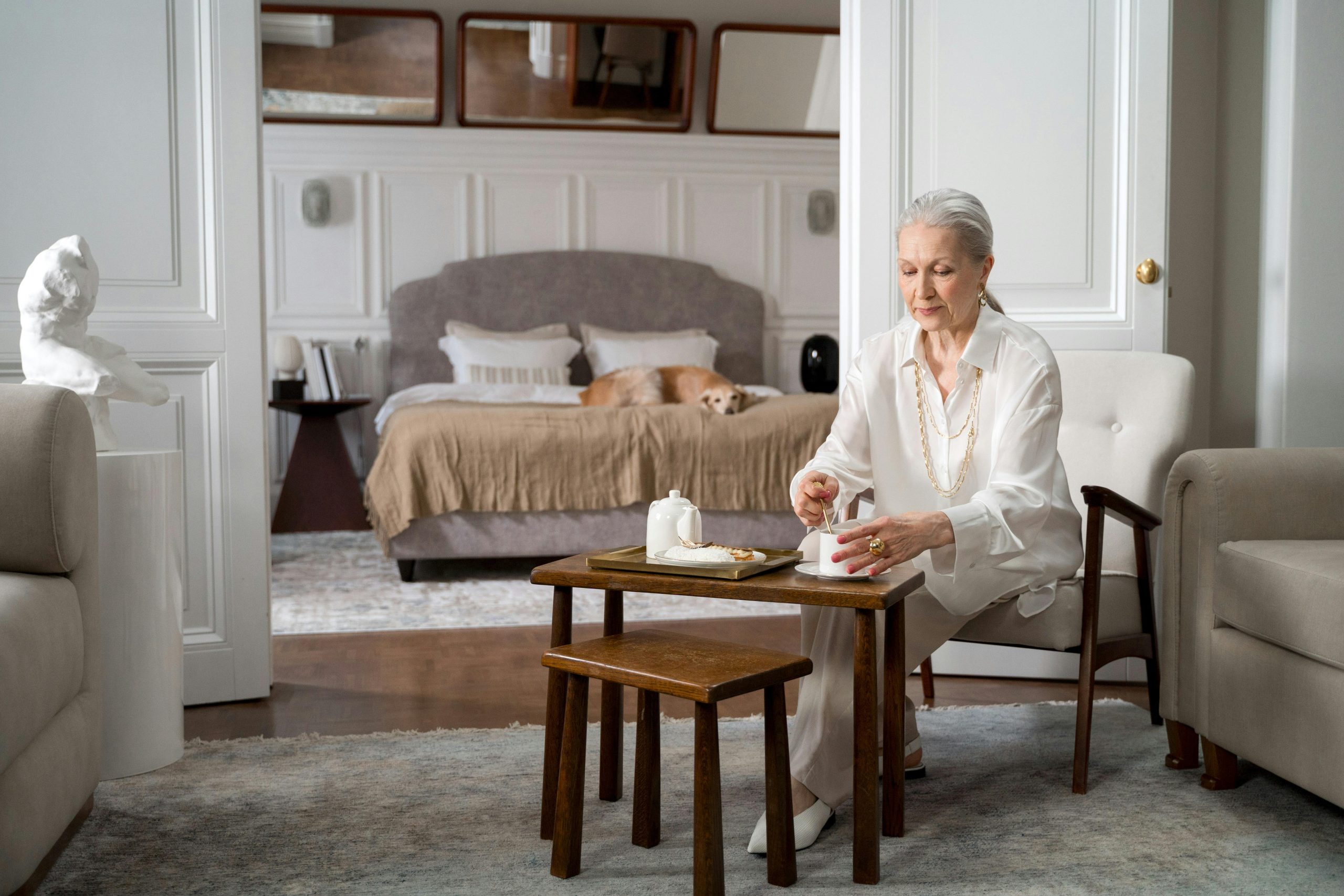
Many older adults in San Antonio want to remain in the homes they love. The familiar layout. The neighbors they know. The routines that feel steady and safe.
But aging in place often comes with one big concern: cost.
Major home renovations can quickly reach tens of thousands of dollars. For many families, that simply is not realistic. The good news is that meaningful improvements do not always require major construction. Small, thoughtful updates can make a home safer and more comfortable without overwhelming your budget.
If you are helping a parent plan ahead, these simple adjustments can make a real difference.
Start with the Bathroom
Bathrooms are one of the most common places for falls. A few practical changes can reduce risk immediately.
Consider:
-
Adding a shower chair or bench for seated bathing
-
Installing a handheld showerhead for easier rinsing
-
Replacing glass enclosures with shatter-resistant materials
-
Using slip-resistant strips on the shower floor instead of loose mats
-
Swapping traditional faucets for lever-style handles that are easier on aging hands
These upgrades are relatively affordable and often easy to install. More importantly, they provide daily confidence.
Make the Bedroom Safer at Night
Nighttime mobility can become more difficult with age. A dark hallway or low bed height may not seem like a major issue now, but small adjustments can prevent future problems.
Helpful updates include:
-
An adjustable bed for comfort and easier entry and exit
-
Motion-sensor night lights for safer trips to the bathroom
These are not dramatic changes. But they remove small obstacles that tend to cause big accidents.
Rethink Kitchen Access
The kitchen is often the heart of the home. It should remain functional and safe.
Simple changes might include:
-
Rearranging frequently used appliances for easier reach
-
Choosing refrigerators with accessible handles
-
Installing slide-out drawers in lower cabinets
These adjustments reduce bending and stretching, which lowers the risk of falls and strain.
Choose Supportive Furniture
Furniture should make sitting and standing easier, not harder.
Look for:
-
Chairs with sturdy armrests
-
Lift chairs with electronic controls for safer transitions
-
Organized electrical cords to prevent tripping hazards
The goal is not to redesign the entire room. It is to support daily movement in a practical way.
Improve Lighting Throughout the Home
Lighting is often overlooked, but it plays a critical role in fall prevention.
Consider:
-
Easy-access light switches
-
Consistent lighting along hallways and high-traffic areas
-
Voice-activated smart lighting for added convenience
Clear visibility builds confidence. Confidence supports independence.
Evaluate Flooring and Rugs
Flooring choices matter more than many families realize.
Short-pile carpeting can provide stability while still allowing walkers or wheelchairs to move easily. Non-slip rug backing helps keep area rugs in place. Avoid thick or shag styles that increase fall risk.
Small flooring adjustments can dramatically reduce hazards without changing the overall look of the home.
Aging in Place Is About Planning, Not Reacting
One of the biggest misconceptions about aging in place is that modifications must happen all at once. In reality, most families take gradual steps.
A slower pace is not procrastination. It is thoughtful planning.
When adult children begin conversations early, parents often feel more in control. The goal is not to force change. It is to create options.
Some homes in San Antonio adapt beautifully with small updates. Others eventually require larger decisions about downsizing or relocating closer to family. Both paths can be wise. The right answer depends on safety, finances, and long-term comfort.
Frequently Asked Questions
Are aging-in-place updates expensive?
They can be, but many effective improvements are affordable. Items like grab bars, lighting upgrades, and supportive furniture cost far less than major renovations.
When should we start making changes?
Earlier than most families think. Making updates before mobility becomes limited allows your parent to adjust gradually and comfortably.
What if the home cannot be modified safely?
Sometimes the structure, layout, or location of a home makes aging in place difficult. In those situations, exploring other housing options may actually preserve independence rather than reduce it.
Aging in place should feel empowering, not overwhelming. Small, steady improvements often create the safest outcomes.
If you are beginning to think through what the next season might look like for your parent in San Antonio or the surrounding Hill Country, I am always happy to be a resource. Sometimes the next step is simply a calm conversation about options.
Source & Credit
Content adapted and expanded from educational material provided by the Center for REALTOR® Development (CRD), which confers the Seniors Real Estate Specialist® (SRES®) designation, an official credential of the National Association of REALTORS® (NAR).
This article has been rewritten for educational purposes and localized for families in San Antonio, Texas.


